Posts Tagged ‘1900s’

Electric and Steam Shovels, 1905

Wednesday, November 30th, 2011

Ad for Electric and Steam Shovels, Vulcan Iron Works, Toledo OH, 1905

As technology changes, sometimes we get stuck on old terminology; we “dial” a phone, the first TV channel is “2″, and we flatten things with a “steamroller”.  Most steamrollers today, of course, are gas or diesel powered, but they’re still ’steam’ to us.   Steam-power ran most construction machinery in the 19th century, but slowly faded out as modern power systems became reliable.  I still call big loaders “steamshovels”, even though they haven’t been steam-powered in a hundred years – but, unlike many other forms of technology, steamshovels took a leap to electricity early on.  In fact, a lot of heavy machinery was (and still is) electric, because distance and freedom of movement wasn’t as big a deal, and effectively ‘outsourcing’ power generation reduced weight and complexity.  Vulcan Iron Works produced steam shovels since the 1890s, and in this 1905 ad they were showing their steps into The Technology of Tomorrow: Electric Shovels.   Vulcan was bought by Bucyrus five years later, and they’re still in making mining equipment today, although under the Caterpillar name.  As far as terminology goes, “Electric Shovels” are now known more generically as Power Shovels.

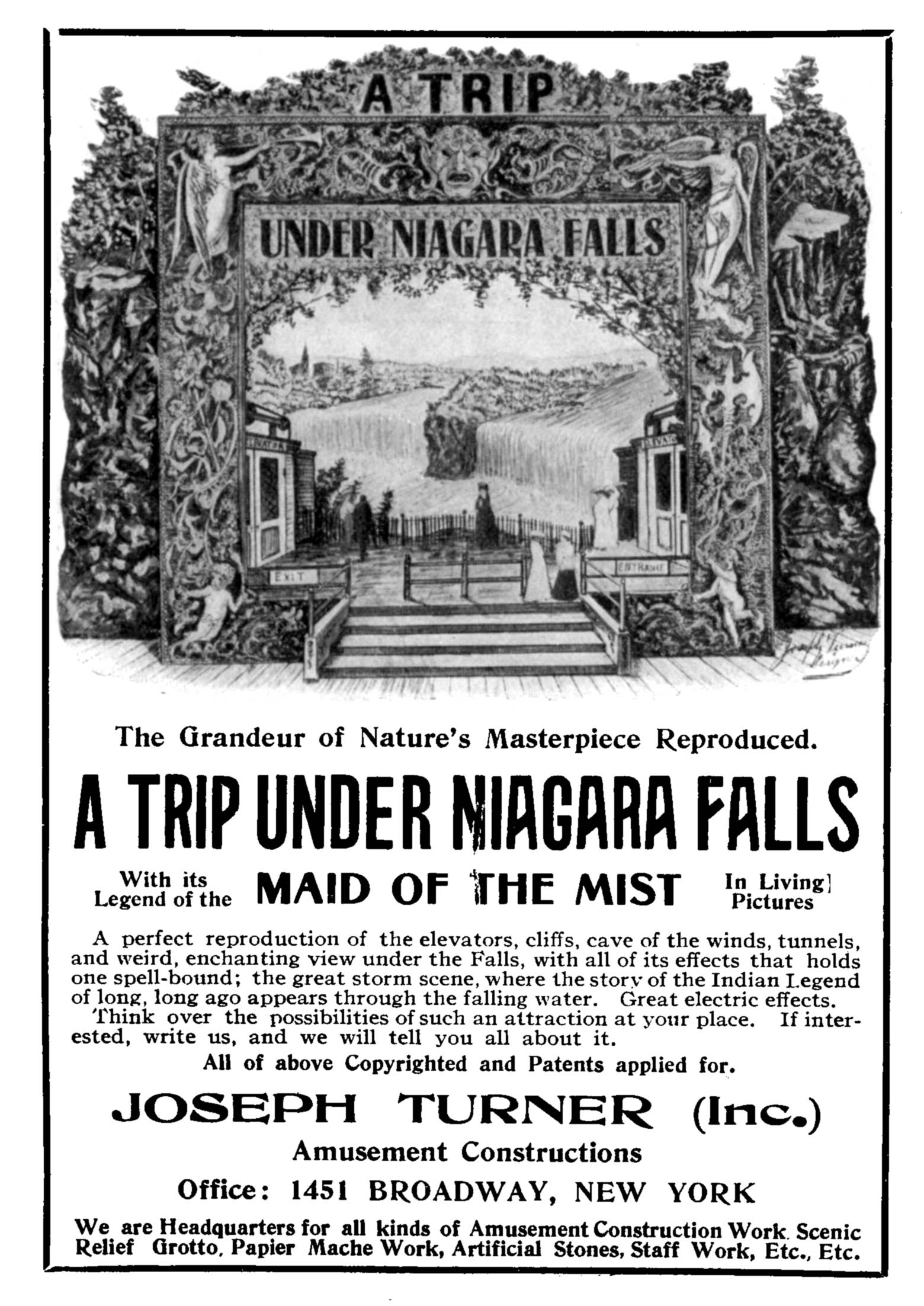
Niagara Falls Ride, 1905.

Wednesday, April 8th, 2009

Click for full image


You might think Disney invented immersive amusement park rides, but he was a latecomer to the game. As trolley car services grew in cities, they looked for ways to expand ridership. One popular solution: buy land towards the end of the line, and build an amusement park. You can’t count on short-line railroad entrepeneurs to also be experts in weekend frivolities, so they had to get their attractions from somebody, and possibly a creative genius like Joseph Turner. Turner operated his New York business on the premise that the people of Kansas City would love the chance to visit Niagara Falls, complete with synthetic wind, water, and Native American legends. Read the entire ad here.

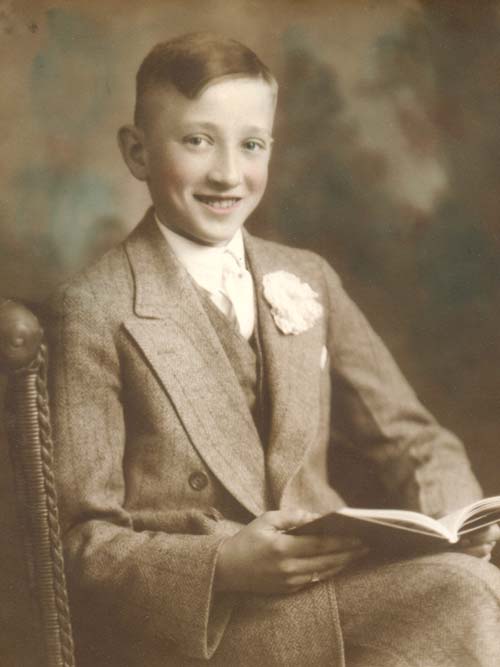
Seated Boy, Book in Lap, 1900s.

Wednesday, April 1st, 2009


Click for full image

A hand-colored portrait of a seated boy, holding a book in his lap. Appears 1900s.

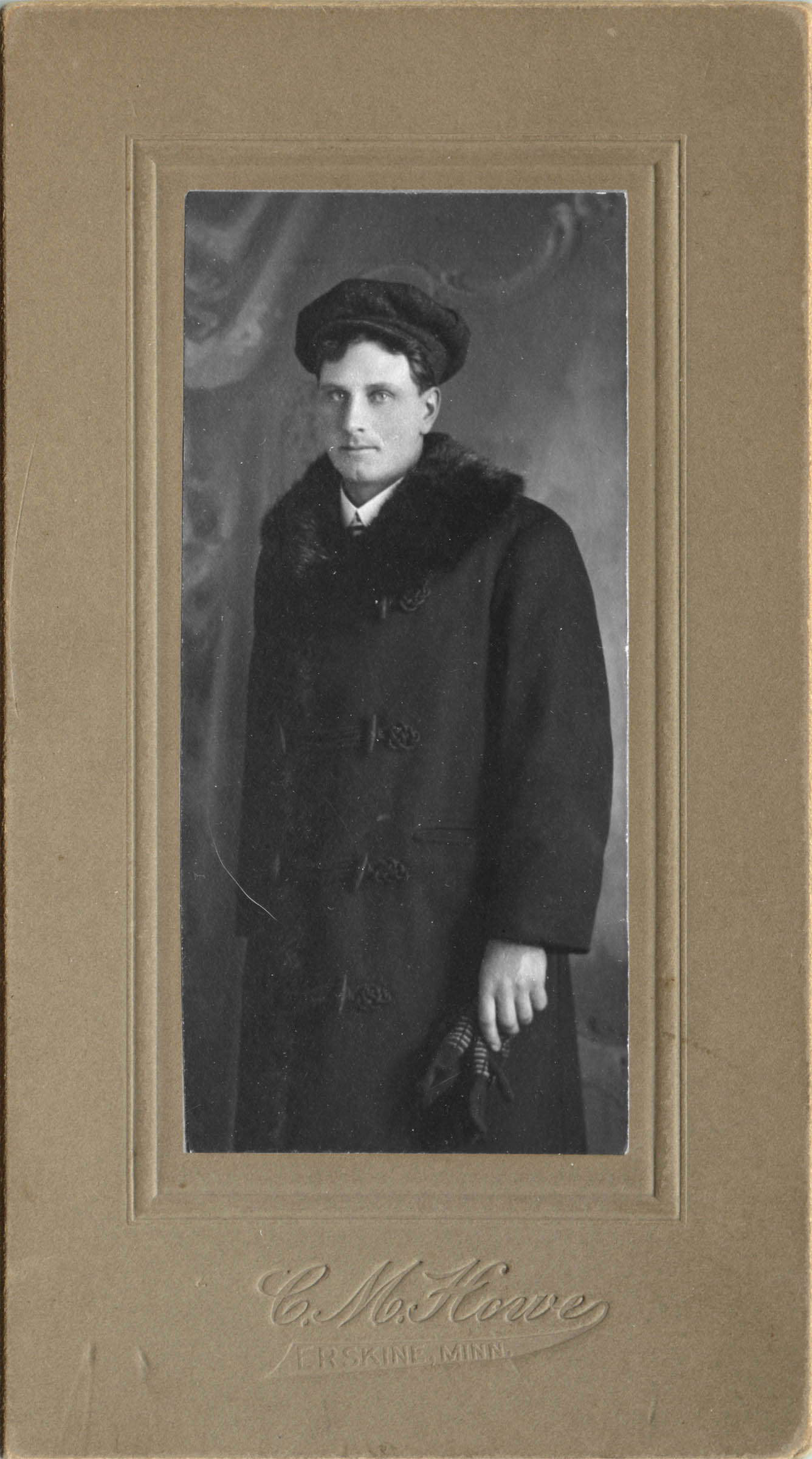
Man In Driving Gear, 1900s.

Friday, December 19th, 2008

Man in fur-collared, double-breasted driving coat, driving cap, with a pair of gloves in his hands. Appears 1900s. Photo by C.M. Howe, Erskine, MN.

Women At Tea, 1900s

Friday, August 1st, 2008

A posed photo of seven women enjoying tea. Note the old woman at the right, holding up a fork with a doughnut impaled on the tines. Photo postcard, 1900s.

Elderly Women Picking Flowers, 1900s

Friday, August 1st, 2008

From a real-photo postcard, early 1900s. The reverse had a message written in Norwegian, but had never been mailed.

Family By The Lilacs, 1900s

Wednesday, July 30th, 2008

A gentleman, presumably the father, sitting with two girls in front of a large lilac bush. From a real-photo postcard, 1900s.

Street Railway Journal, April 1, 1905

Tuesday, April 1st, 2008

On April 1 1905, railwaymen around the world were pleased to find this issue of Street Railway Journal waiting for them. The magazine contains news and photos regarding municipal electric railways, such as trolleycars — none of that high-falootin’ long-distance steam railroading here!

Industry magazines have been a moneymaker for quite some time; their market is niche, they can quickly provide demographics for advertisers, and since they’re quite often free, they’re guaranteed to get into the hands of the people advertisers want to see it. You can get free industry magazines, too: I get emailed offers all the time, because I signed up for one, and now they’ve got me. Stuff on chemical processing, digital-optical equipment, modern quality control processes, and internet technology. Those are today’s hot, up-and-coming technologies: in 1905, the world of short-line railroads was The Future. You may not realize it, but the industry is still around: subways, the El, metro light transit, they’re all evolved from the electric urban trolleycars of 1905. Following the progression of technology, the Street Railway Journal joined with the Electric Railway Review to become the Electric Railway Journal in 1908, and then the Transit Journal in 1932.

Where’s the rest of the magazine? I’m in the process of scanning it; it’ll be available here, and via LuLu like the Fallout Shelter booklet.

The Hotel Del Monte

Monday, March 10th, 2008

The wrinkles from the glue are disappointing, because this is such an excellent photo-montage of activities available at the Hotel del Monte in Monterey, California. Horses, it seems, were the key activity, whether they pulled carriages, were rode by fair women, or were raced against each other on a track. From the Hittel’s Hand-book of the Pacific Coast in 1882:

The most interesting feature of the town of Monterey, for the tourist, is the Hotel del Monte, erected by the capitalists of the Southern Pacific Railroad Company for the accommodation of visitors. It is one of the most complete buildings on the continent for the accommodation of pleasure-seekers. The length is 385 feet, the width, 115; the height, 3 stories. There are accommodations for 400 guests. The hotel has its own gas works, and is supplied with water from its own artesian well. The grounds of the hotel have an area of 100 acres, partly in beautiful garden and lawn, and the remainder wooded with oak, pine, and cypress trees. Neat by, and under the same ownership, are 7,000 acres of land, through which there are fine roads, open to the patrons of the hotel. A bathing pavilion contains four tanks, each 50 feet long and 36 wide. These are fulled with salt water which is heated to a temperature of about 70°. There are also separate bathrooms. The whole establishment is managed in the best style, and it has done much to attract great numbers of visitors to Monterey. The hotel is within a few yards of the beach, so that those who prefer to bathe in the ocean need not tire themselves by walking to reach it.

The building seen above, however, was a reconstruction of the original Del Monte, which burned to the ground in 1887. The investors of the Southern Pacific Railroad spared little expense to develop the finest resort hotel in California, away from the larger cities, bordering both the forest and the ocean. The hotel expanded with new amenities like those seen above over time, and eventually passed into the ownership of Samuel F.B. Morse. Morse, already owner of Pebble Beach Golf Course, now also controlled the Del Monte golf course, the oldest golf course in the West. This also put Morse in the position of rebuilding the hotel yet again when the building pictured above burned in 1924.

Could you stay at the Hotel del Monte today? You can’t exactly go as a visitor, but you can walk the halls SFB Morse built if you were a Navy officer. In 1943, the wartime flight training school leased the hotel and turning it into an educational home; the Naval Postgraduate School was moved there in 1951, occupying all 627 remaining acres of former tourist grandeur.

Visions of the Future: Subways!

Thursday, February 7th, 2008

We’re accustomed to seeing Artist Depictions Of The Future, mostly in technical magazines showing soldiers with jetpacks, robot soldiers, robots walking dogs, dogs with jetpacks, and so on. This picture, from early 1900s, is an artist depiction of “an express station of the underground railway.” This could certainly be a depiction of the Pacific Electric Railway or San Francisco’s pre-Muni rail service, given the predominance of California photos in the scrapbook. Really, it could be anywhere: subways were around at the time, so riding trains underground wouldn’t have been overly special. Electric underground trains were relatively new, and the addition of “express” is probably a sign of why this deserved attention. The future was here — where you could board a smoke-less, clean trolley underground, out of the rain, and zip through town to your destination. Only horses and those new noisy automobiles drove the streets…the future was there!